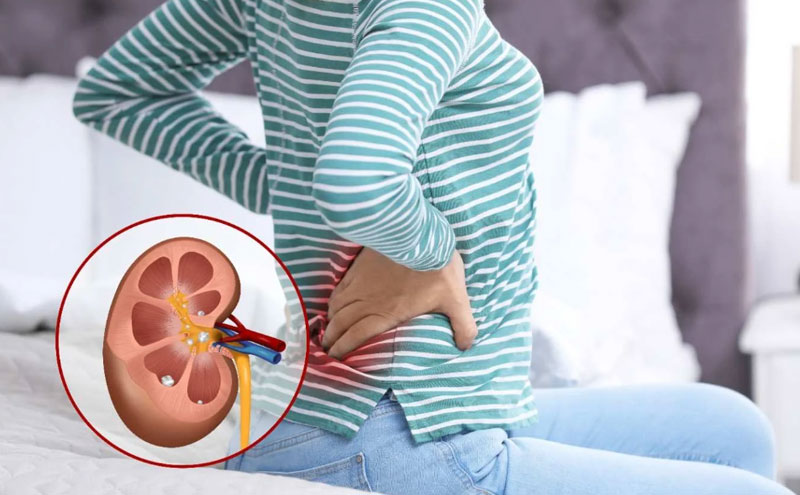
Kidney stones are one of the most common urological conditions affecting people worldwide. These hard mineral deposits form inside the kidneys and can cause severe pain and urinary complications if left untreated. Fortunately, advances in modern medicine now offer effective diagnosis, treatment, and prevention methods that help patients recover quickly and comfortably.
What Are Kidney Stones?
Kidney stones are solid crystal-like deposits made of minerals and salts that develop inside the kidneys. They can vary in size from tiny particles to larger stones that block the urinary tract. Some stones pass naturally through urine, while others may require medical treatment.
Common Causes of Kidney Stones
Kidney stones can develop due to several factors, including lifestyle habits, medical conditions, and dietary choices. Common causes include:
- Dehydration and low water intake
- Excess salt or high-protein diet
- Family history of kidney stones
- Obesity and metabolic disorders
- Urinary tract infections
- Certain medications or supplements
- High levels of calcium, oxalate, or uric acid in urine
Symptoms of Kidney Stones
Symptoms may vary depending on the size and location of the stone. Some small stones may not cause symptoms until they move into the urinary tract.
- Severe pain in the back, side, or lower abdomen
- Pain during urination
- Blood in the urine
- Frequent urge to urinate
- Nausea and vomiting
- Cloudy or foul-smelling urine
- Difficulty passing urine
Types of Kidney Stones
1. Calcium Stones
The most common type of kidney stones, usually formed from calcium oxalate or calcium phosphate.
2. Uric Acid Stones
These stones often develop in people who consume high-protein diets or have gout.
3. Struvite Stones
Commonly linked to urinary tract infections and may grow rapidly if untreated.
4. Cystine Stones
A rare type of stone caused by inherited genetic disorders affecting amino acid processing.
Modern Treatments for Kidney Stones
1. Medication and Hydration
Small kidney stones may pass naturally with increased water intake and medications that reduce pain or relax the urinary tract.
2. Shock Wave Lithotripsy (SWL)
This non-invasive procedure uses sound waves to break kidney stones into smaller fragments that can pass through urine more easily.
3. Ureteroscopy
A thin scope is inserted into the urinary tract to locate and remove or break the stone using laser technology.
4. Percutaneous Nephrolithotomy (PCNL)
For large or complex stones, surgeons may use minimally invasive surgery to remove stones directly from the kidney.
Tips to Prevent Kidney Stones
- Drink plenty of water daily
- Reduce salt intake
- Limit sugary drinks and processed foods
- Maintain a healthy body weight
- Follow a balanced diet rich in fruits and vegetables
- Seek regular medical checkups if you have a history of stones
When to See a Doctor
Seek medical attention if you experience severe pain, blood in urine, fever, vomiting, or difficulty urinating. Early treatment can prevent kidney damage and serious complications.
Conclusion
Kidney stones can be painful and disruptive, but modern treatments offer safe and highly effective solutions. Understanding the causes, recognizing symptoms early, and adopting healthy lifestyle habits can significantly reduce the risk of kidney stones and improve long-term urinary health.