Understanding Urological Issues
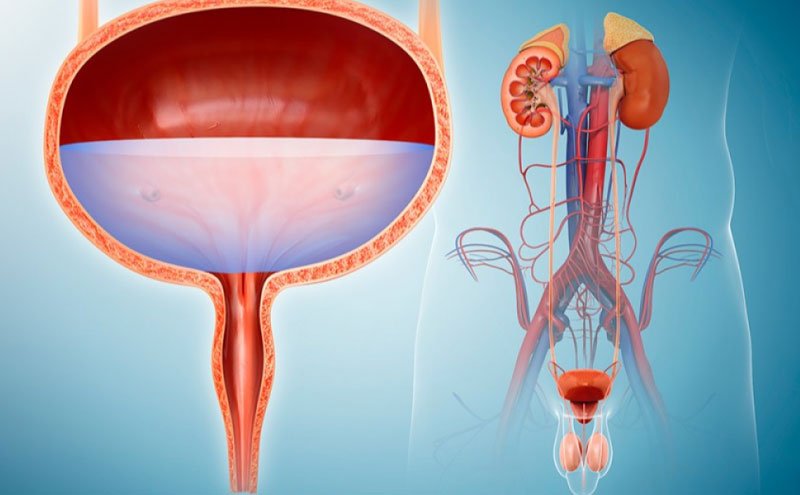
Urological conditions affect the urinary tract system, including the kidneys, bladder, ureters, and urethra. These problems can occur in men and women of all ages and may range from temporary infections to chronic disorders requiring long-term care.
Common Bladder and Urological Problems
1. Urinary Tract Infections (UTIs)
UTIs are among the most common urological conditions. They occur when bacteria enter the urinary tract, causing symptoms such as burning urination, frequent urination, pelvic pain, and cloudy urine. Early treatment with antibiotics can prevent complications.
2. Overactive Bladder
An overactive bladder causes sudden urges to urinate, frequent bathroom visits, and sometimes leakage. Lifestyle changes, pelvic floor exercises, and medications can help manage symptoms effectively.
3. Urinary Incontinence
Urinary incontinence refers to the loss of bladder control. It can result from aging, weakened pelvic muscles, childbirth, prostate problems, or nerve disorders. Treatment options include exercises, medications, and minimally invasive procedures.
4. Kidney Stones
Kidney stones are hard mineral deposits that form in the kidneys and may cause severe pain when passing through the urinary tract. Proper hydration, medication, and advanced laser treatments can help remove stones safely.
5. Enlarged Prostate (BPH)
In men, an enlarged prostate can block urine flow and create bladder-related symptoms such as weak urine stream, urgency, and frequent nighttime urination. Modern treatments provide significant symptom relief and improved comfort.
Warning Signs You Should Not Ignore
- Pain or burning during urination
- Blood in the urine
- Frequent or urgent urination
- Difficulty emptying the bladder
- Lower abdominal or back pain
- Urine leakage or loss of bladder control
Modern Treatment Options
Advances in urology have made diagnosis and treatment more effective than ever before. Depending on the condition, treatment may include:
- Medication therapy
- Diet and lifestyle modifications
- Pelvic floor rehabilitation
- Minimally invasive laser procedures
- Robotic and laparoscopic surgery
- Preventive bladder health programs
Tips for Maintaining Bladder Health
- Drink plenty of water daily
- Avoid excessive caffeine and alcohol
- Maintain proper hygiene
- Do not ignore the urge to urinate
- Exercise regularly and maintain a healthy weight
- Schedule regular health checkups
When to See a Urologist
Persistent urinary symptoms should never be ignored. Consulting a urologist early can help diagnose the problem before complications develop. Timely treatment often leads to faster recovery and better long-term outcomes.
Conclusion
Bladder and urological issues can be challenging, but modern medical care provides powerful solutions for effective treatment and recovery. By understanding symptoms, seeking timely medical attention, and following healthy lifestyle practices, patients can successfully overcome common urological problems and enjoy a healthier, more comfortable life.